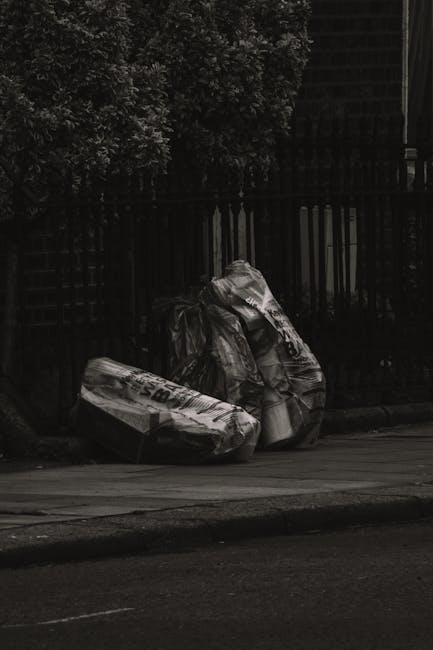
Plumstead Common bulky rubbish removal guide for homeowners

If your spare room has turned into a holding bay for an old sofa, a broken wardrobe, and that mattress you meant to deal with months ago, you are in good company. Bulky rubbish has a habit of quietly taking over a home. One day it is just "temporarily out of the way"; next thing, you can barely open the door without nudging a stack of unwanted stuff.
This Plumstead Common bulky rubbish removal guide for homeowners is here to make the whole process feel manageable. We will look at what counts as bulky waste, how removal usually works in practice, what to check before booking a collection, and how to avoid the common mistakes that make a simple job feel weirdly complicated. Truth be told, most people do not need more theory - they need a clear plan.
Whether you are clearing after a home refresh, dealing with a garage that has become a storage black hole, or simply want the old settee gone before the weekend, the right approach saves time, stress, and a fair bit of lifting.
Why Plumstead Common bulky rubbish removal guide for homeowners Matters
Bulky rubbish is different from everyday household waste. A few bin bags can wait until collection day, but a fridge, sofa, bed base, or damaged chest of drawers needs a different plan. In a busy area like Plumstead Common, that matters for three simple reasons: space, safety, and convenience.
First, bulky items take up space fast. A single unwanted wardrobe can make a hallway feel narrower. A couple of old appliances in the garage can stop you using the garage properly. And once the clutter starts building, people tend to work around it rather than deal with it. That is just human nature.
Second, bulky waste can be awkward and unsafe to move. Heavy furniture, sharp edges, cracked mirrors, and old white goods can all create avoidable injury risk. It is not just about whether you can lift it; it is about whether you can lift it safely, round corners, down stairs, and out through a tight front path without damaging walls or floors.
Third, there is the local practical side. Most homeowners want a solution that is quick, tidy, and respectful of neighbours. Nobody wants a pile of waste sitting outside for days, especially on a narrow street or during a wet week when the rain is doing its usual London thing. A proper bulky rubbish removal plan helps you clear the home without turning the pavement into a temporary obstacle course.
There is also a bigger picture. Furniture, appliances, and mixed household waste often contain materials that should be reused, recycled, or handled separately. That means the way you remove bulky rubbish can affect what gets recovered and what ends up as general waste. If you are trying to do the right thing, the process should reflect that.
Expert summary: bulky rubbish removal is not just about getting rid of large items. It is about choosing a safe, lawful, and efficient way to clear space without creating extra work, extra risk, or unnecessary waste.
How Plumstead Common bulky rubbish removal guide for homeowners Works
In most cases, bulky rubbish removal follows a simple pattern. You identify what needs to go, group the items, confirm whether any pieces need special handling, and arrange collection or removal. The details matter, though, because that is where delays and extra costs usually creep in.
What usually counts as bulky rubbish?
Homeowners commonly mean items such as sofas, armchairs, mattresses, wardrobes, tables, chairs, shelving, sheds parts, exercise equipment, fridges, freezers, washing machines, tumble dryers, and mixed garage clutter. The exact list will vary depending on the item's size, weight, material, and whether it needs disassembly or separate handling.
One thing people sometimes forget: bulky does not always mean solid wood or white goods. A box of broken children's toys, old suitcases, and a stack of damaged flat-pack furniture can all become "bulky" once they are piled together in one awkward corner.
Typical collection flow
- Sort the items. Decide what is definitely going, what might be kept, and what needs special handling.
- Check access. Note stairs, narrow hallways, parking restrictions, side gates, or a long carry distance.
- Separate risky items. Keep appliances, sharp materials, and anything potentially hazardous apart from general furniture.
- Get a clear quote. Pricing usually depends on volume, weight, item type, labour, and access.
- Prepare the items. Empty drawers, disconnect appliances safely, and remove loose contents.
- Collection or clearance. The team removes the waste, loads it efficiently, and takes it for appropriate processing.
If you prefer to compare approaches first, the company's waste removal service and furniture disposal page can help you understand the kind of items often handled in a typical home clearance.
What makes a collection smooth?
A smooth job usually comes down to preparation. The less sorting the crew has to do on arrival, the faster everything moves. That does not mean your home must be spotless. Far from it. But it helps to know what is going, where it is located, and whether anything needs to be dismantled first.
In practical terms, the best removals feel almost boring. No drama. No rummaging. No last-minute "oh, and there is also this fridge in the shed". Boring is good here.
Key Benefits and Practical Advantages
There is a reason homeowners often choose a dedicated bulky rubbish removal service rather than trying to piece together multiple trips to the tip. The biggest advantage is simplicity, but there are a few more benefits worth spelling out.
- Less lifting for you. Heavy furniture and awkward appliances are handled by people used to moving them safely.
- Faster clear spaces. A single visit can free up a room, garage, loft, or garden area in one go.
- Better use of your time. No need to hire a vehicle, recruit favours from relatives, or spend your Saturday doing the logistics puzzle.
- Reduced risk of damage. Experienced removal work is less likely to scratch floors, chip walls, or leave a trail through the house.
- More responsible sorting. Good operators separate materials sensibly for reuse, recycling, or specialist disposal.
- Cleaner finish. Once bulky waste is gone, you can actually use the space again instead of walking around it.
For homeowners dealing with mixed items, the benefit is often psychological too. A cleared room changes how the whole home feels. You notice the light again. The space breathes. Sounds a bit dramatic, perhaps, but you feel it the moment the clutter is out.
If your items include soft furnishings, it may also be worth looking at mattress and sofa disposal to see how larger household pieces are typically dealt with.
Who This Is For and When It Makes Sense
This guide is for homeowners in Plumstead Common who need a practical way to remove big, unwanted items without turning the job into a full weekend project. The service is especially useful if any of the following sound familiar.
- You are replacing old furniture after a room refresh.
- You have finished a clear-out and are left with one or two heavy items.
- Your garage or loft has become a storage area for things you no longer want.
- You are preparing a home for sale or tenancy change.
- You have inherited a property and need the contents sorted quickly.
- You need appliances, furniture, or mixed household waste removed together.
It also makes sense when access is awkward. Some properties in and around Plumstead Common have tight front spaces, shared access, or stairs that make lifting furniture tricky. In those cases, a professional removal service often feels much safer than a DIY attempt with a borrowed van and a prayer.
For a broader clearance approach, homeowners sometimes combine bulky item removal with a home clearance or, for larger properties, a house clearance. That can save time when several rooms need attention at once.
Step-by-Step Guidance
Here is a straightforward way to tackle bulky rubbish removal without overthinking it.
1. Walk through the property and identify every bulky item
Start with a full look around the home, garage, loft, shed, and garden. Write down every large item you want gone. Do not rely on memory alone. It sounds obvious, but people nearly always remember one awkward item after the quote has been agreed. Human beings, eh?
2. Decide what can be reused, donated, repaired, or removed
Some items may still be in decent shape. Others are worn out, broken, or unsafe. If you can separate usable items from waste at this stage, the removal job becomes cleaner and more efficient. It also gives you a chance to avoid paying to dispose of something that could be used again elsewhere.
3. Check for special categories
Not everything should go in the same pile. Fridges, freezers, electronics, paint, chemicals, and certain other materials may need separate handling. For example, white goods are often treated differently from standard furniture, which is why pages like fridge and appliance removal are useful when your clear-out includes kitchen or utility items.
4. Measure access points
Take a few minutes to check door widths, stair turns, basement steps, and parking space. If there is a gate at the back or a long path through the garden, mention it. Access affects timing and labour, and honest details help avoid awkward surprises.
5. Prepare the items before collection day
Empty drawers. Remove loose shelves where possible. Tape shut doors that swing open. If a bed frame needs dismantling, do that in advance only if it is safe to do so. Never force bolts or use tools in a cramped space if you are not comfortable. A small wobble with an Allen key is one thing; a rushed injury is another.
6. Arrange the removal and keep the route clear
On the day, make sure hallways, porches, and entrance routes are clear enough for safe lifting. If pets or children are around, keep them away from the work area. The collection itself should be quick and orderly when the groundwork is done well.
7. Confirm where the waste is going
A reputable provider should be able to explain how different materials are handled and whether items may be reused or recycled where possible. If sustainability matters to you, you can read more about the company's recycling and sustainability approach before booking.
Expert Tips for Better Results
A few small decisions can make bulky rubbish removal noticeably easier.
- Group similar items together. Sofas with sofas, appliances with appliances, garden waste with garden waste. It helps the crew estimate and load faster.
- Take photos before booking. Pictures are far better than a rushed description on the phone, especially for mixed or awkward jobs.
- Keep hazards separate. If anything could leak, break, or cut, flag it early.
- Leave room for the route out. A clear path saves time and avoids wall scuffs.
- Plan around your household routine. School runs, work calls, and neighbours' parking habits all matter more than you think.
- Ask what happens with mixed loads. Some jobs include furniture, soft furnishings, and a few bags of general rubbish. Mixed loads are common, but they are not all treated the same.
A small tip from real-world experience: if you are clearing a room, work from the farthest corner back toward the door. It sounds like neat-freak advice, but it stops you moving the same item twice. And yes, the item that looked light in the morning often feels twice as heavy by lunchtime.
If your project is more about old storage areas than one-off furniture, you may also find a garage clearance or loft clearance more appropriate than a simple furniture-only collection.
Common Mistakes to Avoid
Bulky rubbish removal is one of those jobs that looks easy until something goes slightly wrong. Here are the mistakes homeowners make most often.
Leaving everything until the last minute
When the collection day arrives and the wardrobe is still full of books, loose clutter, and a random lamp, the job slows down. Prep matters.
Assuming every item can be handled the same way
That old freezer is not the same as the old desk. Neither is a mattress. Nor is rubble from a small renovation. Different waste types may need different handling, so lumping everything together creates problems later.
Forgetting access issues
If a van cannot park close enough or a sofa will not fit through a door without being turned sideways, that affects the job. Mention access up front and avoid the awkward "well, we thought it would fit" moment.
Trying to DIY everything when the items are too heavy
A couple of chairs is one thing. A waterlogged mattress or a large fridge is another. Saving a little money is never worth a strained back or a damaged hallway wall.
Not asking about disposal routes
Homeowners often want to know whether furniture will be reused, recycled, or sent for disposal. It is a fair question. If a provider cannot give a sensible answer, that is worth noticing.
Mixing dangerous items into a general load
Anything potentially hazardous should be identified clearly and dealt with separately. If in doubt, stop and ask. Better a slightly longer conversation than a risky load.
Tools, Resources and Recommendations
You do not need a garage full of specialist kit to organise bulky rubbish removal, but a few basic tools and habits help a lot.
- Measuring tape: useful for checking whether large furniture will fit out of the property.
- Marker pen and labels: handy for marking what is going and what is staying.
- Basic screwdriver or hex key set: useful for disassembly, if the item is safe to take apart.
- Gloves and sturdy shoes: sensible for any pre-clearance sorting.
- Phone camera: great for photographing the load before you arrange removal.
- Cardboard, blankets, or old sheets: useful for protecting floors and door frames if you are moving items slightly before collection.
As for resources, the most helpful thing is usually a clear service page that explains what can be removed and what needs special handling. If you are unsure whether certain items are suitable, the site's what can go in a skip guide can be a practical reference point for understanding waste types and common restrictions. Even if you are not hiring a skip, the item-by-item logic is still useful.
For homeowners who want to understand broader clearance options, the company's furniture clearance service and garage clearance service are good starting points for comparing different kinds of jobs.
Law, Compliance, Standards and Best Practice
When bulky rubbish leaves your home, it should be handled responsibly. Homeowners do not need to become waste-law experts, but they should understand a few basic expectations.
First, waste should be transferred to a legitimate operator and taken to an appropriate destination. In the UK, homeowners are wise to keep records of who collected what, especially for larger clear-outs or mixed loads. That is not about over-documenting your life. It is about protecting yourself if questions come up later.
Second, hazardous or specialist items should not be mixed casually with general household waste. Appliances, chemicals, sharps, and similar items often need careful segregation. If a provider offers a specific hazardous waste disposal route, that is usually a sign they understand the difference.
Third, safe manual handling matters. Good practice means lifting with care, using the right number of people, and not forcing an item through an unsuitable gap. That sounds basic because it is basic - but the basics are exactly what stop jobs going wrong.
Fourth, reputable operators should be transparent about safety, insurance, and working practices. It is reasonable to check an insurance and safety page if you want reassurance before booking.
There are also general household responsibilities around access, neighbour consideration, and not blocking shared paths or roads for longer than necessary. In a local setting like Plumstead Common, courtesy goes a long way. A tidy, quick removal is simply kinder to everyone nearby.
Options, Methods and Comparison Table
Homeowners usually have a few ways to deal with bulky rubbish. Each one suits a different situation.
| Method | Best for | Pros | Limitations |
|---|---|---|---|
| DIY tip run | Very small loads and people with suitable transport | Can be cheap if you already have access to a vehicle | Time-consuming, physically demanding, multiple trips, lifting risk |
| Skip hire | Ongoing clear-outs or mixed waste from renovations | Flexible for gradual loading, useful for bigger projects | Needs space, permits may be needed in some cases, you load it yourself |
| Bulky rubbish collection | Large items, urgent clear-outs, awkward access, homeowners wanting convenience | Fast, labour included, less physical effort, tidy finish | May cost more than doing everything yourself, especially for small single items |
For people unsure about skip suitability, a skim through what can go in a skip can help you decide whether a skip-based approach is even worth considering. If your load is mostly furniture, the dedicated furniture disposal option may be the cleaner fit.
The short version? If you have a few light pieces and plenty of time, DIY may be enough. If you want a room cleared quickly with minimal fuss, a collection service is usually the better answer. Simple as that.
Case Study or Real-World Example
Here is a typical homeowner scenario, drawn from the sort of jobs that come up all the time.
A family in Plumstead Common had finished redecorating their living room and wanted the old sofa, coffee table, two armchairs, a broken TV stand, and an outdated mattress removed before the new furniture arrived. They also had a couple of items in the hall that had somehow become "temporary storage" over the years - a fan heater, a small cabinet, and a pile of flat-pack packaging that had never been dealt with properly. You know how it goes.
Rather than trying to move everything themselves, they sorted the items into three groups: furniture, appliance-like items, and general clutter. They took photos, measured the hallway turn, and cleared the route from the front room to the door. On the day, the collection was straightforward because the hard thinking had already been done. The home was left with space to move, the new furniture could be delivered without delay, and the family did not spend an entire Saturday dragging a sofa around like a failed game of Tetris.
The main lesson was not that the job was complicated. It was that preparation made it feel easy. That is the bit people tend to underestimate.
Practical Checklist
Use this before your collection day. It is the kind of list that saves a surprising amount of hassle.
- List every bulky item that needs to go.
- Separate furniture, appliances, and any questionable materials.
- Check whether anything is hazardous or requires special handling.
- Measure doorways, stairs, and access routes.
- Take photos of the items for clarity.
- Empty drawers, cupboards, and hidden compartments.
- Disconnect appliances safely where appropriate.
- Keep pathways clear inside and outside the property.
- Protect floors or corners if items still need minor movement.
- Confirm the booking time and what is included.
- Ask how the items will be processed after collection.
- Make sure pets and children are kept away from the working area.
If you want a broader home reset, it may also help to combine this with a garage clearance, loft clearance, or home clearance rather than tackling each room separately.
Conclusion
Bulky rubbish removal is one of those tasks that feels much bigger than it should, mainly because the items are awkward and the decision-making can drag on. Once you break it into steps, though, it becomes very manageable. Sort the load, check access, separate special items, and choose the removal method that best fits your home and timetable.
For Plumstead Common homeowners, the smartest approach is usually the one that saves effort without cutting corners. That means safe lifting, sensible preparation, and a clear idea of what happens to the waste afterwards. Get those parts right and the whole process is calm, clean, and oddly satisfying.
And there is a nice final payoff: once the clutter is gone, the room does not just look bigger. It feels lighter. That is often the moment people realise they should have done it sooner.
Get a free quote today and see how much you can save.
Frequently Asked Questions
What counts as bulky rubbish in a home?
Bulky rubbish usually means large household items that are hard to move or dispose of in normal bins, such as sofas, mattresses, wardrobes, tables, appliances, and similar oversized pieces.
Can I leave bulky items on the pavement for collection?
Only if the collection service specifically tells you to, and even then you should keep access safe and tidy. Leaving items out without a proper arrangement can cause issues for neighbours and passers-by.
Do I need to dismantle furniture before removal?
Not always. Some items can be collected whole, but dismantling may help if access is tight. If you do take anything apart, only do it when it is safe and straightforward.
How should I prepare appliances for removal?
Make sure fridges, freezers, washing machines, and similar items are empty and disconnected safely. If you are unsure about any electrical or water connection, stop and get advice before moving it.
Is bulky rubbish removal better than hiring a skip?
It depends on the job. A skip is useful for ongoing loading, while bulky rubbish removal is often better for large items, awkward access, or when you want the lifting done for you.
Can furniture and general rubbish be collected together?
Often, yes. Mixed loads are common. It is still best to separate items mentally or physically before collection so the provider can assess the load properly.
What happens to the waste after collection?
That depends on the item type and the operator's process. Some items may be reused, recycled, or sent for specialist treatment. It is sensible to ask how the waste is handled if that matters to you.
How much notice do I need to give?
It varies. Some clear-outs can be arranged quickly, while larger or more complex jobs may need a little more lead time. The sooner you sort your photos and item list, the easier it is to book.
What if my bulky items are in the loft or garage?
That is very common. Loft and garage items often need a bit more sorting and access planning, which is why services like garage clearance and loft clearance can be especially helpful.
Are there items that need special handling?
Yes. Hazardous materials, some appliances, and certain contaminated items may need separate treatment. If you are not sure whether something is suitable, keep it aside and ask before collection day.
Can bulky rubbish removal help before selling a house?
Absolutely. Clearing old furniture and clutter can make rooms look larger, cleaner, and easier for buyers to picture. It is one of the quickest ways to improve how a property feels.
Where can I learn more about pricing or booking?
If you want to understand the process before you go ahead, the pricing and quotes page and book online option are a useful next stop.